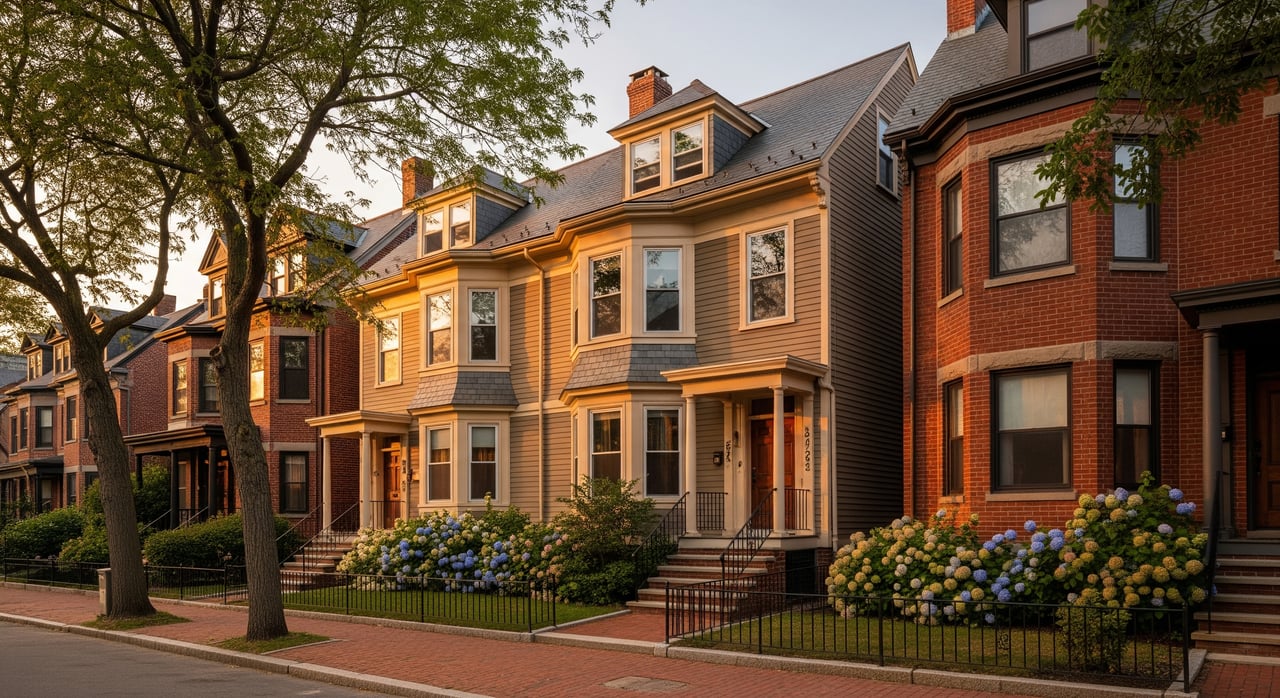
Thinking about buying a Quincy duplex or triple-decker? You’re not alone. Quincy’s Red Line access, steady renter demand, and classic New England housing stock can create real opportunity if you underwrite and renovate with care. In this guide, you’ll learn how to evaluate locations, estimate rehab costs, plan permits and timelines, and run the numbers the way a local operator would. Let’s dive in.
Why Quincy small multis work
Quincy sits just south of Boston with strong transit into the city via the MBTA Red Line. Proximity to the Red Line stations in North Quincy, Wollaston, and Quincy Center often improves rentability and pricing. You can confirm station details and schedules directly from the MBTA Red Line information.
Neighborhoods have their own feel and tenant profiles. Areas like Quincy Center, Wollaston, North Quincy, Germantown, and Merrymount attract a mix of working professionals, municipal and hospital employees, and local households. Demand is fairly steady year-round, with higher turnover in summer.
What you’re buying in Quincy
Most two- and three-family properties are older wood-frame buildings. You’ll see classic three-deckers, purpose-built duplexes, and some single-family homes converted to two-unit layouts. Many date from the late 19th to mid-20th century, so expect aging systems and a mix of past updates.
Hidden issues to budget for
Older small multis can carry deferred maintenance. Common items include:
- Structural concerns like sagging floors, porch repairs, sill plate rot, and roof leaks.
- Electrical issues such as knob-and-tube wiring or limited service capacity.
- Heating and hot water systems at end of life, including older oil boilers.
- Fire and life-safety gaps, including missing hardwired smoke detectors, egress issues, and inadequate fire separation between units.
- Environmental risks found in older Massachusetts housing like lead-based paint and asbestos.
- Insulation gaps that drive high heating costs, plus older plumbing and occasional sewer line failures.
Rehab scopes and realistic cost ranges
Use these ranges to screen deals, then confirm with local contractor bids.
- Cosmetic or turnover work: fresh paint, flooring, and basic kitchen and bath refreshes typically cost $10,000 to $35,000 per unit.
- Moderate rehab: new kitchens, bath updates, system repairs, and limited structural work usually run $35,000 to $75,000 per unit.
- Major rehab or full gut: new systems, significant structural repairs, and reconfiguration can reach $75,000 to $200,000+ per unit.
Major single-system items to flag early:
- Full electrical upgrade: $8,000 to $25,000+ depending on scope.
- Boiler replacement: $8,000 to $30,000 based on size and complexity.
- Roof replacement: $8,000 to $20,000+ depending on footprint and materials.
- Lead or asbestos abatement: highly variable, ranging from a few thousand to tens of thousands based on findings and scope.
Permits and timelines in Quincy
Plan your calendar early and coordinate with the city. Expect the following approvals:
- Building permits for structural changes, framing, roofing, and alterations.
- Separate electrical, plumbing, gas, and mechanical permits.
- Zoning review if you change use, unit count, parking, or nonconforming items.
- Lead-safe or asbestos notifications where applicable.
For current procedures, contact the City of Quincy Building Division. While timelines vary with staffing and scope, these broad planning ranges help:
- Minor interior work with limited trade permits: 2 to 6 weeks to start.
- Moderate rehabs that need full plan review: 4 to 12 weeks for permits.
- Projects requiring zoning relief or variances: 8 to 16+ weeks for hearings and approvals.
- Full gut or larger multi-trade projects: allow 2 to 4+ months before construction starts.
Underwriting the numbers
Start with a simple framework.
- Gross Scheduled Income (GSI) is your total market rent if fully leased.
- Effective Gross Income (EGI) equals GSI minus a vacancy allowance, often 5 to 10 percent in stable submarkets.
- Operating Expenses include taxes, insurance, owner-paid utilities, maintenance, management, landscaping, supplies, and reserves.
- Net Operating Income (NOI) equals EGI minus Operating Expenses.
- Cap Rate equals NOI divided by purchase price.
- Debt Service Coverage Ratio (DSCR) equals NOI divided by annual debt service.
- Cash-on-Cash Return equals cash flow before tax divided by equity invested.
Here is a hypothetical screening example to show the math. Replace these figures with current Quincy rents, taxes, insurance, and loan terms.
- Purchase price: $900,000 for a 3-unit triple-decker.
- Assumed market rents: two 2BR units at $2,300 and $2,200, plus one 1BR at $1,800.
- GSI: $76,800 per year. Assume 6 percent vacancy to get EGI of $72,192.
- Operating expenses (example): taxes $12,000, insurance $2,400, common utilities $2,400, maintenance and reserves $6,000, management 8 percent of EGI at $5,776. Total about $28,576.
- NOI: $43,616. Cap rate: roughly 4.8 percent at this price.
- With 25 percent down, 30-year amortization, and 6.0 percent interest, annual debt service is about $51,600, which produces negative cash flow before tax.
Takeaway: small multifamily pricing in Greater Boston can compress cap rates. You may need rent growth supported by comps, value-add renovation, or a larger down payment to achieve positive cash flow.
What drives returns in Quincy
Focus on real, verifiable signals.
- Transit access: being within easy reach of the Red Line often supports stronger rentability. Confirm details through MBTA Red Line schedules and stations.
- Parking: many suburban renters expect off-street parking, which can improve demand and rents.
- Unit upgrades: updated kitchens and baths and in-unit laundry typically produce measurable rent bumps when supported by comps.
- Rate sensitivity: run conservative scenarios with higher interest rates, expenses, and vacancy to test downside.
Acquisition-to-rehab: a practical workflow
Use a structured process that protects your capital and timeline.
1) Pre-offer screening
- Pull listing data, quick comps, and a top-line income and expense screen.
- Walk the property and flag red flags like electric type, boiler age, roof condition, and signs of leaks.
- Set offer terms, inspection contingencies, and a due diligence period.
2) Due diligence after acceptance
- Order a full home inspection, plus structural, electrical, plumbing, and HVAC checks as needed.
- For pre-1978 buildings, plan for lead risk evaluation and, if renovating, lead-safe practices.
- Obtain two or more contractor bids with line-item scopes, then confirm permitting and zoning with the city.
- Finalize a rehab budget with a 10 to 20 percent contingency.
3) Closing to pre-construction
- Choose your contractor and sign a scope-driven contract with a milestone-based draw schedule.
- Submit permit applications, and plan separate trade permits.
- Order long-lead items early to avoid delays.
4) Construction and inspections
- Tackle life-safety and systems first, then exterior envelope, then interior finishes.
- Use certified renovators for any lead-disturbing work and document lead-safe procedures under the EPA Renovation, Repair and Painting Rule.
- Schedule inspections at required points and manage change orders in writing.
5) Lease-up and stabilization
- Complete punch lists and final cleaning, confirm smoke and CO devices, and change locks.
- Market units with photos, screen tenants, and execute leases with deposits and move-in inspections.
6) Closeout and operations
- Reconcile costs against budget and secure lien waivers.
- Organize permits, warranties, and manuals for future refinance or sale.
Due diligence checklist
Use this to keep your review complete and efficient.
- Property and legal: deed, assessor card, survey or plot plan, zoning designation and parking requirements, certificate of occupancy or history, open permits or violations, title search, and tax bills.
- Income and tenants: leases, rent roll, deposits, utility responsibilities, vacancy and turnover history.
- Physical condition: full inspection, plus targeted structural, electrical, plumbing, HVAC, roof, and chimney evaluations. For pre-1978 buildings, assess lead risk; if planning a larger renovation, consider an asbestos inspection.
- Costs and financing: contractor budget, permit and inspection fees, insurance quotes including flood if applicable, tax history and reassessment risk, and lender pre-approval with terms.
- Market: rent comps by unit size and neighborhood, sold comps, local vacancy and days on market, expected lease-up time.
- Reserves: capital plans for roof, boiler, exterior, and structural items, plus a 10 to 20 percent rehab contingency for older buildings.
Risk and compliance checks
Stay ahead of the rules to avoid costly surprises.
- Lead safety: for pre-1978 homes, follow federal and state requirements for lead-safe work. Learn more from the Massachusetts Department of Public Health lead program and the EPA RRP Rule overview.
- Zoning and unit legality: verify that unit counts and uses are legal before you buy. Illegal conversions can trigger enforcement and major expense.
- Local processes: confirm current permit procedures and any rental registration or inspection program with the City of Quincy Building Division.
- Insurance and environment: obtain insurance quotes early and check FEMA flood maps if the property may be in a flood zone.
How Yi supports Quincy investors
You get more done with one accountable partner. Yi combines a licensed contractor background with local brokerage and financing know-how to help you source, evaluate, and execute on two- and three-family opportunities in Quincy and nearby suburbs. Services include buyer representation, investor acquisition, renovation oversight, rental and tenant placement, and loan consulting. Bilingual support in English, Mandarin, and Cantonese keeps communication clear for your whole team.
If you’re weighing a specific property or want help building a step-by-step plan, connect with Yi Chen, Realtor of Keller Williams Realty. Let’s align your goals, budget, and timeline so you can invest with confidence.
FAQs
What makes Quincy duplexes and triple-deckers attractive to investors?
- Transit access via the Red Line, steady renter demand, and the ability to add value through targeted rehab can support durable returns when you underwrite conservatively.
How long do permits usually take for a Quincy multifamily rehab?
- Minor work can start in about 2 to 6 weeks, moderate plan-review projects in 4 to 12 weeks, and zoning relief cases in 8 to 16+ weeks, depending on scope and city workload.
What are typical rehab costs per unit for Quincy small multifamily?
- Light refresh often runs $10,000 to $35,000 per unit, moderate $35,000 to $75,000, and major or full gut $75,000 to $200,000+ before any lead or asbestos abatement.
How should I handle lead paint when renovating a pre-1978 Quincy property?
- Use certified renovators and lead-safe work practices per the EPA RRP Rule and consult Massachusetts DPH guidance for testing, compliance, and approved methods.
Does proximity to the MBTA Red Line impact rents in Quincy?
- Yes, proximity to Red Line stations often improves rentability and pricing, so confirm station access and schedules on the MBTA site when evaluating locations.