Curious what day-to-day life actually looks like in Westwood? If you’re weighing suburbs on Boston’s southwest side, you want a clear picture of homes, commutes, and where you’ll run errands or unwind. This guide gives you a grounded view of Westwood’s housing mix, rail and highway access, local retail hubs, and outdoor spots, using current public data so you can decide if it belongs on your shortlist. Let’s dive in.
Westwood at a glance
Westwood sits in Norfolk County in Boston’s southwest suburbs. The town’s estimated population is 16,533 as of July 1, 2024, according to the U.S. Census. Household economics skew strong: the median household income is $223,125 and the owner-occupied housing rate is 87.3% based on ACS 2020 to 2024 estimates. The ACS also reports a median value of owner-occupied homes of $1,041,500 and a mean travel time to work of 30.2 minutes for workers 16 and over. You can review these figures on the U.S. Census QuickFacts for Westwood.
Neighborhood rhythm: village and retail hub
Westwood offers two distinct day-to-day settings. On one side, you have a compact, village feel. On the other, a modern mixed-use retail center with big-box convenience. Most residents end up using both depending on the task.
Islington Center today
Islington Center along Washington Street has been evolving from a small cluster of shops to a more walkable, mixed-use node. A multi-year redevelopment has added residential and commercial uses along with infrastructure upgrades, improving block-scale walkability and access to services. For background on the project and its scope, see the Islington Center redevelopment overview.
What this means for you: coffee stops, neighborhood services, and small-scale retail are close at hand if you’re on the west side of town. Streets feel local, and you’ll find everyday conveniences without driving far.
University Station essentials
On the east side near Route 128 sits University Station, Westwood’s primary retail and services hub. It brings together large-format shopping and newer apartments/condos next to a major rail station. You’ll find anchors like Wegmans, Target, and Nordstrom Rack, plus fitness and service tenants, all with ample parking for quick trips. For a current directory and visitor info, check the University Station site.
If you prefer to live near dining, shopping, and commuter rail, this area puts you close to essentials and offers newer multifamily options tied to the retail corridor.
Commute choices and times
Commuting from Westwood works well whether you ride the train or drive. The ACS mean travel time for residents is 30.2 minutes (ACS 2020 to 2024), but your actual door-to-door time will depend on your route and schedule.
Commuter rail options
Islington Station (Franklin/Foxboro Line): You can board the MBTA commuter rail in Islington for inbound trips to Boston. On typical schedules, the ride into the city is roughly around half an hour, depending on the train you choose. Review current details on the Islington station page, and always confirm the timetable before you go.
Route 128/University Avenue Station: Adjacent to University Station, the Route 128 stop offers MBTA service on the Providence/Stoughton Line and Amtrak Northeast Corridor trains. It functions as a major park-and-ride with regional and intercity options, which is helpful if you need flexibility beyond Boston. See the Route 128 station profile for an overview.
Driving basics
Highway access is a strength. Westwood’s eastern edge connects directly to I-95/Route 128, which makes regional commutes and weekend trips straightforward. The ACS mean travel time to work sits at 30.2 minutes (ACS 2020 to 2024), though peak-hour traffic on I-95/128 can vary. Local MBTA bus coverage is more limited than inner suburbs, so many residents rely on cars or commuter rail. Always check live traffic and schedules when planning your routine.
Homes you’ll see
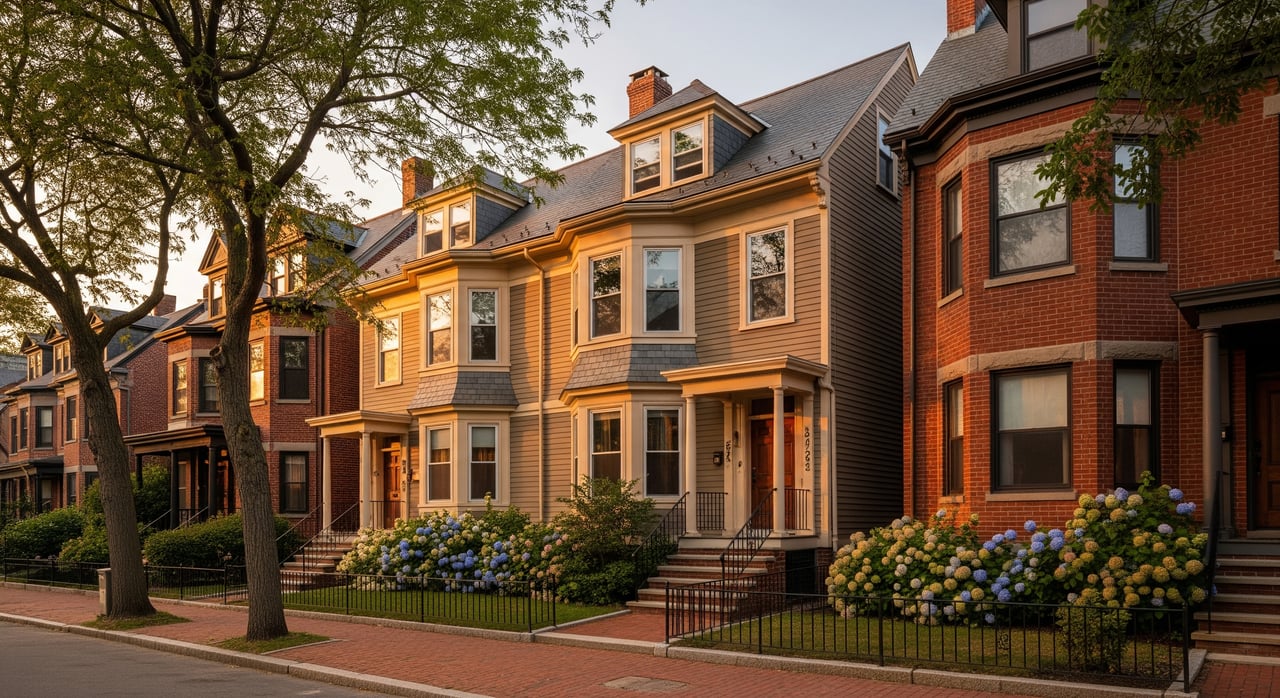
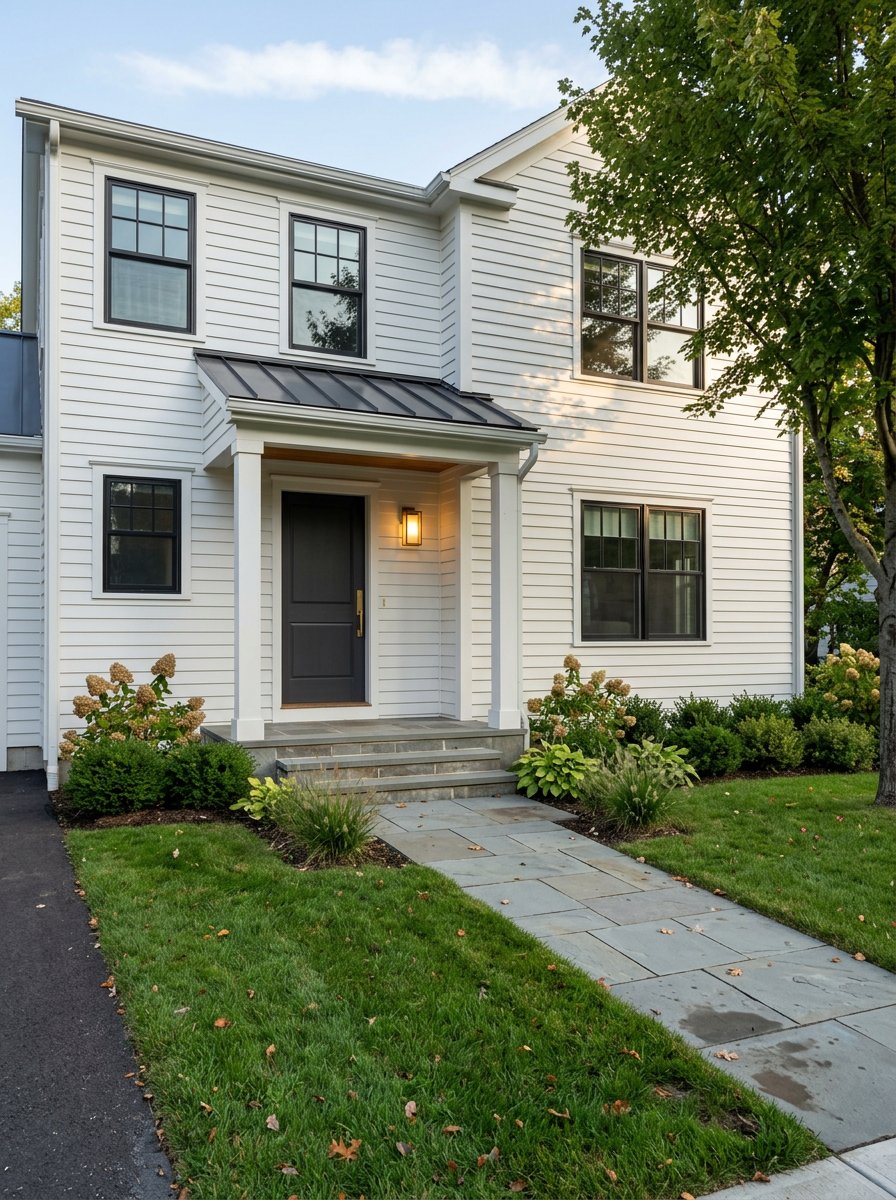
Westwood is primarily an owner-occupied, single-family market. You’ll encounter classic New England styles, including Colonial, Cape, Ranch, and mid-century homes, along with newer infill and custom builds on larger lots in select areas. Near University Station, you’ll also find apartments and condos integrated with the retail district.
To set expectations, the ACS 5-year estimate for the median value of owner-occupied homes is $1,041,500 (2020 to 2024). This is different from monthly market snapshots that show recent sale prices and can shift quickly based on inventory mix. If you want the latest sale-price trends, plan to review current month data before you tour. For the longer-term baseline and ownership profile, see U.S. Census QuickFacts for Westwood.
Daily amenities and weekend fun
You have a healthy balance of everyday convenience and outdoor space.
University Station: Grocery runs, big-box errands, fitness, and services cluster here, which simplifies busy weekdays. See the University Station visitor page for current anchors and hours.
Hale Reservation and nearby trails: Westwood is home to or adjacent to notable conservation lands. The Hale Reservation offers trails, ponds, and seasonal programs, while Westwood also sits within easy driving distance of larger regional open spaces like Blue Hills. Buckmaster Pond is another local point of interest for low-key outdoor time. Learn more in the Westwood overview.
If you are deciding between a bigger yard or proximity to parks, Westwood’s town fields, neighborhood parks, and conservation parcels provide options beyond your own lot.
Schools and programs
Westwood Public Schools serves students across elementary, middle, and high school levels and is often cited as a factor in town selection. You can find current district information, school addresses, and programming on the Westwood Public Schools website. Westwood High School also receives strong marks in third-party rankings; you can review one perspective on the Westwood High School profile.
Use these sources to understand structure and offerings. When comparing districts, focus on program fit, commute impacts, and your housing goals.
Tradeoffs to weigh
Every town has strengths and considerations. Here is a balanced view for Westwood:
Strengths
- Two useful rail options, including a major park-and-ride at Route 128.
- Large, modern retail hub at University Station for errands and services.
- High rate of owner-occupied homes and established single-family neighborhoods.
- Access to trails and ponds for quick weekend recharge.
Considerations
- The ACS median value of owner-occupied homes is higher than many outer suburbs, so budget carefully.
- Peak-hour traffic on I-95/Route 128 can be unpredictable; commuter rail can help but depends on schedules.
- Local MBTA bus coverage is more limited compared with inner suburbs, so many trips are by car.
Who Westwood fits
- You want a single-family home with a traditional New England look and a stable, owner-occupied neighborhood pattern.
- You value strong rail options for Boston and a fast link to I-95/128 for regional access.
- You prefer running most errands in one place with national retailers and services nearby.
- You like having trail and pond access within a short drive, even if your yard is modest.
If that sounds like your daily rhythm, Westwood likely belongs on your shortlist.
How to move forward
If Westwood feels like a fit, line up your financing and walk through likely home types early. Given the town’s higher price baseline, a clear renovation plan and cost-to-value analysis can help you compete and feel confident about any updates after closing. You will also want a current market snapshot before you write an offer, since recent sale prices move faster than long-range estimates.
Ready to explore homes or compare Westwood to nearby suburbs? Work with Yi Chen, Realtor of Keller Williams Realty for bilingual guidance (English/Mandarin/Cantonese), practical renovation advice from a licensed contractor, and financing insight to strengthen your offer. Let’s discuss your property goals — schedule a free consultation.
FAQs
How long is the commute from Westwood to Boston?
- The ACS reports a mean travel time of 30.2 minutes for workers 16 and over (ACS 2020 to 2024). By rail, the Islington station on the Franklin/Foxboro Line offers an around half-hour ride to Boston on typical schedules. Always check current MBTA timetables before you go. Sources: U.S. Census QuickFacts and Islington station overview.
What kinds of homes are most common in Westwood?
- You will mostly see single-family houses in Colonial, Cape, Ranch, and mid-century styles, plus newer infill and custom homes in some areas. Near University Station, there are apartments and condos within the mixed-use district. The ACS median value of owner-occupied homes is $1,041,500 (2020 to 2024). Source: U.S. Census QuickFacts.
Where do residents shop and run errands in Westwood?
- University Station is the main hub for grocery, big-box shopping, fitness, and services, with anchors like Wegmans, Target, and Nordstrom Rack. See the University Station visitor page for a current directory and hours.
Does Westwood have good access to parks and trails?
- Yes. The Hale Reservation provides trails, ponds, and seasonal programs, and Buckmaster Pond is a local spot for relaxed outdoor time. Westwood is also within an easy drive of larger regional open spaces. Learn more in the Westwood overview.
Is public transit limited in Westwood beyond commuter rail?
- Compared with inner suburbs, local MBTA bus coverage is more limited, so many residents rely on cars or commuter rail. For broader connectivity, the Route 128 station also offers Amtrak service. Source: Route 128 station profile.
Are Westwood schools well regarded?
- The district provides elementary, middle, and high school education; you can find current information on the Westwood Public Schools site. Westwood High School receives strong rankings from third parties; see the Westwood High School profile for details.