Choosing between a Colonial and a Cape in Braintree can feel like comparing apples to apples. Both styles are classic New England, but they live very differently day to day. If you are weighing space, comfort, renovation options, and long‑term value, a clear side‑by‑side will help you act with confidence. In this guide, you will learn the hallmark features of each style, how they function for daily life, what renovations make sense locally, and how to evaluate pricing the right way. Let’s dive in.
Colonial basics: form and function
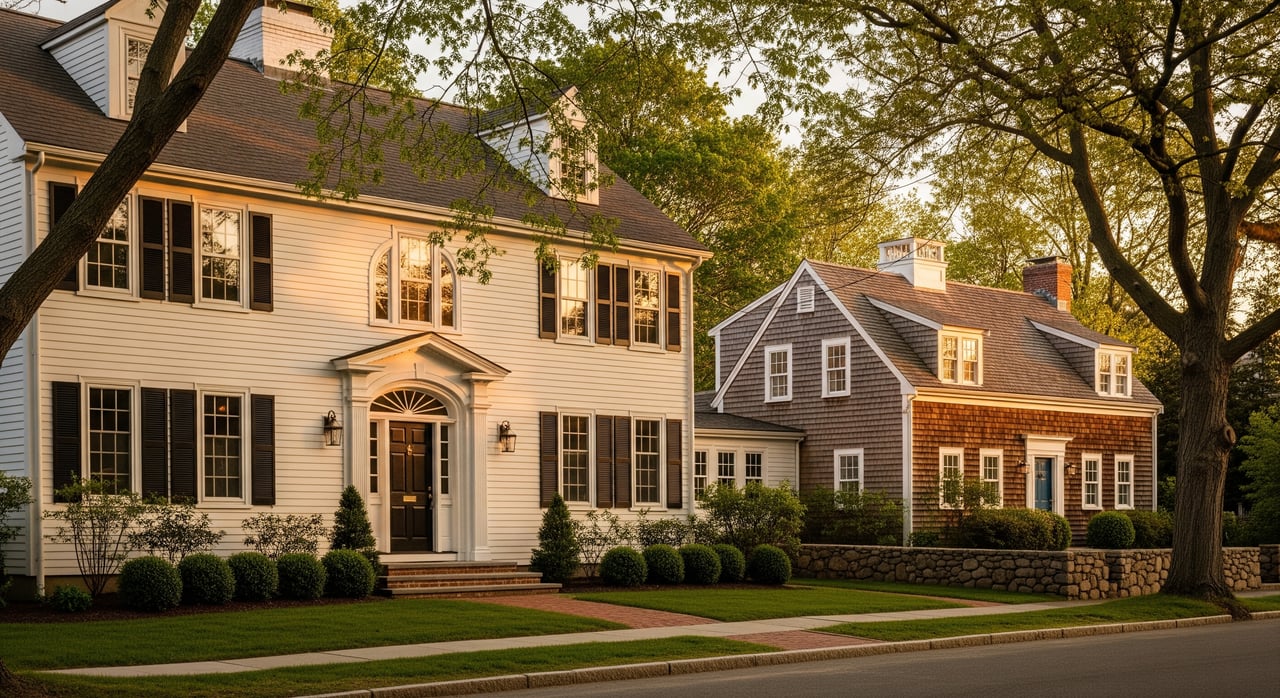
Colonial homes in Braintree typically show a balanced, symmetrical façade with a centered front door and evenly spaced windows. Most are two or two‑and‑a‑half stories with a simple rectangular shape and a gable roof. You often see double‑hung multi‑pane windows, shutters, and straightforward classical trim.
Inside, you will usually find a center‑hall layout. The first floor often includes a formal living room and dining room, a separate kitchen in older builds, and sometimes a later family room addition. The second floor generally holds 3 to 4 bedrooms and 1 to 2 bathrooms, with attic storage above and a basement below.
In Braintree, many Colonials fall into the Colonial Revival era from the late 19th century through mid‑20th century suburban growth. When evaluating condition, pay attention to two‑story framing, possible floor sag where openings were created, and foundation type. Stone or early concrete foundations can bring moisture issues that are common in the area.
Cape basics: compact and adaptable
Cape Cod style homes are usually one to one‑and‑a‑half stories with a steeply pitched gable roof. Classic Capes are compact, often with a symmetrical front and a center door. Many have dormers added later to increase headroom and usable second‑floor space.
The main level often includes a living room, a modest kitchen, and one or two bedrooms. The second level sits under the roofline, so ceilings slope and closets can be smaller unless dormers were added. Basements are common, though some mid‑century Capes were built with shallower foundations.
Across Greater Boston suburbs, a large share of Capes date to the 1940s through the 1960s as efficient family housing. When you inspect, look closely at roof structure, insulation, and the ability to support dormer additions. Headroom and egress rules will guide whether the attic or half story can be finished safely.
Space and flow: how they live day to day
Colonials generally offer more total square footage and full‑height bedrooms upstairs. If you want clearly separated spaces or plan to open walls for an open‑plan kitchen and family zone, the center‑hall layout adapts well.
Capes trade size for efficiency. They tend to have fewer square feet, a smaller heating and cooling footprint, and a simpler layout. You get an intimate feel and potentially lower carrying costs, but you will likely have sloped second‑floor ceilings unless dormers are present.
If you want multiple full‑height bedrooms on one level, a Colonial typically delivers immediately. If you prefer a smaller home that you can expand over time, a Cape can be a smart platform.
Comfort and energy in New England weather
Regardless of style, older Braintree homes often benefit from insulation upgrades, air sealing, and more efficient heating or hot water systems. Capes can be more prone to ice dams and comfort issues because of roof geometry and limited attic ventilation. Proper roof insulation, air sealing at knee walls, and targeted HVAC updates go a long way.
You can start with a no‑cost home energy assessment through Massachusetts programs that offer rebates for insulation and heat pump installations. This step can reduce utility bills and improve comfort before or after cosmetic updates.
Accessibility and lifestyle fit
If you want to minimize stair use, a Cape with a main‑level bedroom can be helpful. Traditional Colonials usually require daily stair use to reach bedrooms. For multigenerational living or working from home, a Colonial’s extra rooms and finished basement potential offer flexibility. For simpler upkeep and a smaller footprint, a Cape is appealing.
Renovation paths that work in Braintree
Renovations should fit your lot, your neighborhood, and local rules. In Massachusetts, the State Building Code governs construction, and the Town of Braintree’s Inspectional Services issues building permits and enforces zoning and setbacks. Some areas have historic or conservation considerations that control exterior changes, and flood zone locations can add requirements for substantial improvements. Always verify with local officials before you commit.
Expanding a Cape
- Add dormers to increase headroom upstairs. This is the most common path to convert sloped second‑floor areas into true bedrooms and a bathroom. It involves roof framing changes and possible floor joist reinforcement.
- Build a rear bump‑out or single‑story addition. Many owners create a larger kitchen and a family room at the back, often simpler structurally than adding a full second story.
- Finish existing attic spaces where allowed. Headroom and egress rules are critical, so verify staircase dimensions and window sizes.
- Raise the roof for a full second story. This is a major structural project. It can transform a Cape into a two‑story home, but it brings higher costs, foundation review, and mechanical system work.
Expanding a Colonial
- Rear additions, one or two stories, integrate naturally with center‑hall layouts. Common targets include a larger kitchen, a mudroom, a family room, or a first‑floor bedroom suite.
- Finish the basement with proper moisture control and egress. This adds cost‑effective living space for recreation, office, or gym use.
- Convert an attic with adequate height. You can create additional bedrooms or a bath if structure and access comply with code.
- Rework the main level for open flow. Removing non‑load‑bearing walls is straightforward. Removing load‑bearing walls requires engineered beams and a larger budget.
Permit and cost drivers to plan for
- Foundations and any required underpinning for additions.
- Roof and framing modifications for dormers or a raised second story.
- Relocating plumbing or gas for new kitchens or baths.
- Upgrading heating distribution, ductwork, or electrical service for added loads.
- Site constraints such as setbacks, grade changes, or trees that affect design and cost.
Cost‑effective updates that boost value
You can improve livability and resale without overbuilding for the neighborhood. Here are proven moves for both styles:
- Painting interior walls and trim. This is a high‑impact refresh at a modest cost.
- Refinishing existing hardwood floors. You get a big visual lift without replacing materials.
- Updating lighting, hardware, and basic fixtures. Small changes create a clean, cohesive feel.
- Kitchen refresh versus a full remodel. Painted cabinets, new counters, and a modern faucet can transform the space. Full remodels add function and value when designed thoughtfully.
- Bathroom cosmetic upgrades. New vanity, tile surround, and fixtures update the experience fast.
- Insulation and air sealing. This improves comfort and lowers bills, especially in Capes with tricky roof geometries. Heat pump installations can further modernize comfort.
- Basement finishing with proper moisture management. Adds functional square footage for a family room or office.
- For Capes, well‑designed dormers. This can unlock true bedroom and bath space upstairs, a significant livability gain.
Pricing: how to compare Colonials and Capes the right way
Style matters, but size, condition, and location drive price more. In suburban Boston markets, Colonials often sell higher on average because they are larger and have more full‑height bedrooms. A well‑expanded, updated Cape can achieve similar results to a smaller Colonial.
To get a reliable read on Braintree pricing, follow a comp process that isolates variables:
- Pull sold comps from the most recent 6 to 12 months for single‑family homes in Braintree. Filter by architectural style, Colonial versus Cape, and match bedroom and bathroom counts.
- Sort by sold price and look at the median and the mid‑range spread. Then check active listings and days on market to understand current momentum.
- Adjust for condition and upgrades, finished basement space, lot size, garage count, and proximity to transit or highways.
- Consider zoning or expansion potential. A Cape suited for dormers or a modest addition can carry more value than one that is maxed out on the lot.
If you want precise numbers, a current, style‑filtered MLS analysis for Braintree is essential. Public dashboards can provide broad context, but the most accurate reads come from MLS data tuned to your search.
Which style fits your goals
Use these quick snapshots to align your purchase with your lifestyle and budget.
Choose a Colonial if you want
- Multiple full‑height bedrooms on one level.
- Flex spaces for office, playroom, or guest room without immediate renovation.
- A layout that adapts easily to open‑plan updates or rear additions.
Choose a Cape if you want
- A smaller footprint, potentially lower purchase price, and simpler maintenance.
- The option to add dormers or a rear bump‑out over time.
- A main‑level bedroom and bath that can support aging in place.
Either style can shine with smart updates
- Focus first on comfort: insulation, air sealing, and right‑sized heating and cooling.
- Invest in kitchens and baths for everyday utility and resale impact.
- Plan expansions that respect setbacks and neighborhood scale.
Ready to see examples in Braintree and nearby suburbs, and map a renovation strategy to your budget and timeline? Schedule a conversation with Yi Chen, Realtor of Keller Williams Realty to compare live listings, weigh renovation options, and understand true local pricing. Yi offers bilingual service in English, Mandarin, and Cantonese, and brings licensed contractor experience to help you plan upgrades with confidence.
FAQs
What are the main layout differences between Colonial and Cape homes in Braintree?
- Colonials are typically two stories with full‑height bedrooms upstairs and a center‑hall plan. Capes are one to one‑and‑a‑half stories, often with sloped ceilings upstairs unless dormers are present.
Which style is usually more affordable to buy and maintain in Braintree?
- Capes often have a lower initial price and smaller utility footprint due to their size. Colonials usually offer more space without major renovation. Actual prices depend on size, condition, and location.
How hard is it to add a second story to a Cape in Greater Boston?
- A full second‑story addition is a major structural project with higher costs. Dormers or partial expansions are more common and cost‑effective to gain usable upstairs space.
What energy upgrades make the biggest difference in older Braintree homes?
- Insulation and air sealing, especially in attics and knee‑wall areas in Capes, plus efficient heating or heat pumps. These steps improve comfort and can reduce energy bills.
What permits do I need for a dormer or addition in Braintree?
- Building permits are issued by the Town of Braintree, and projects must meet Massachusetts State Building Code and local zoning rules. Historic or flood zone factors may add requirements, so verify details with local officials early.
Which updates usually give strong resale value in this market?
- Interior paint, refinished floors, lighting and hardware updates, kitchen refreshes, bathroom upgrades, targeted insulation, and well‑planned basement finishes typically deliver strong impact for their cost.