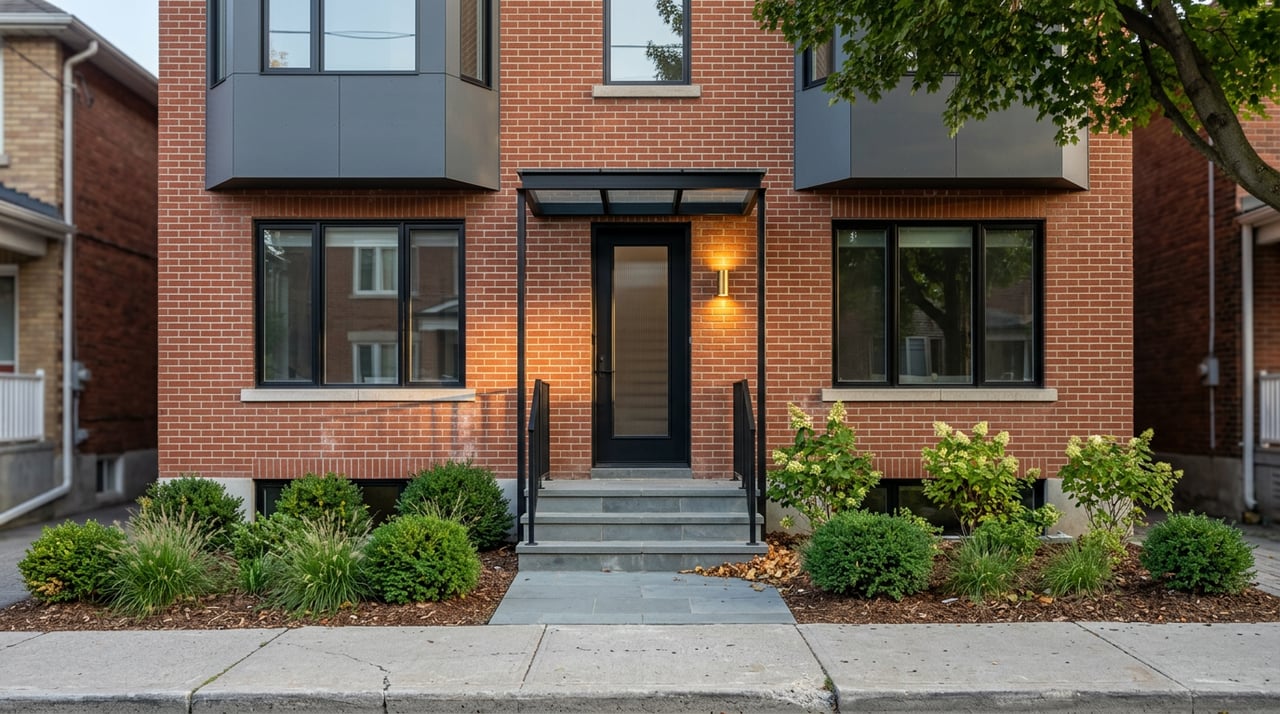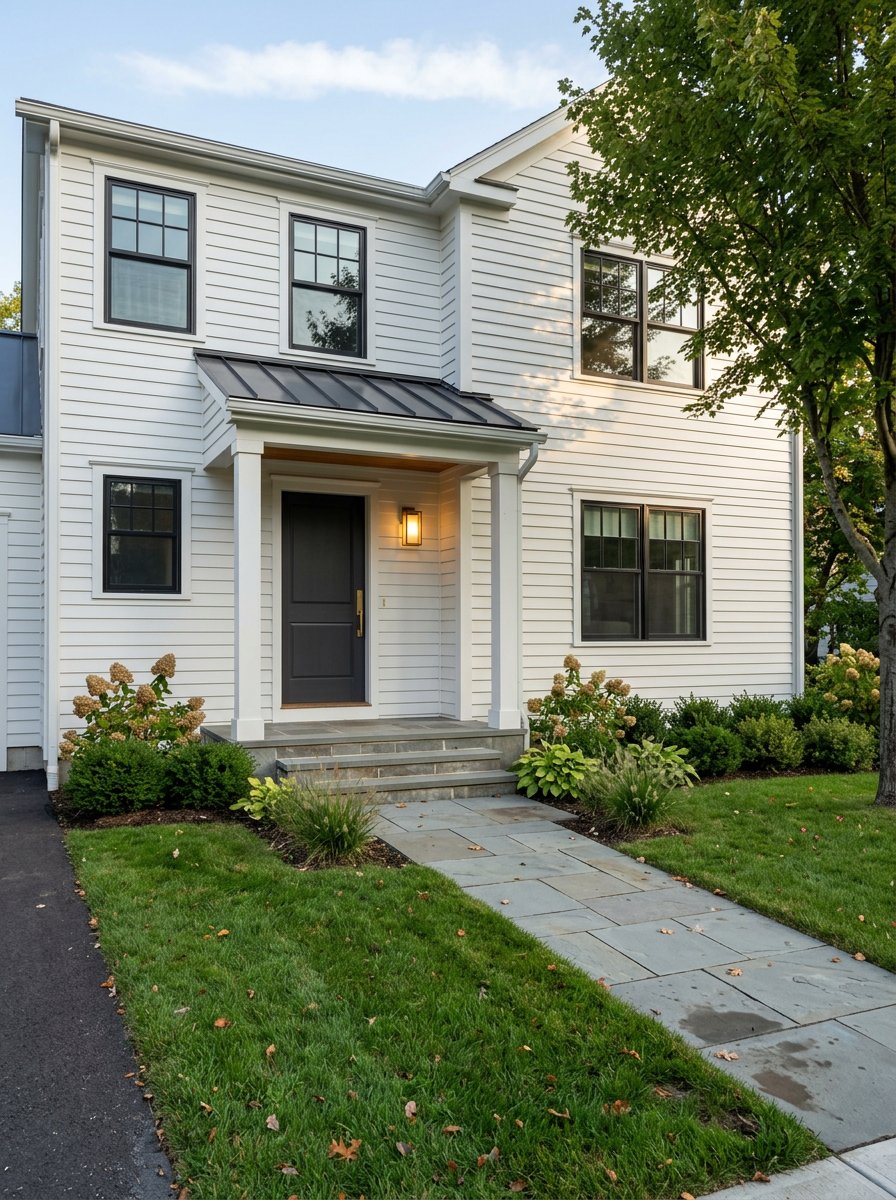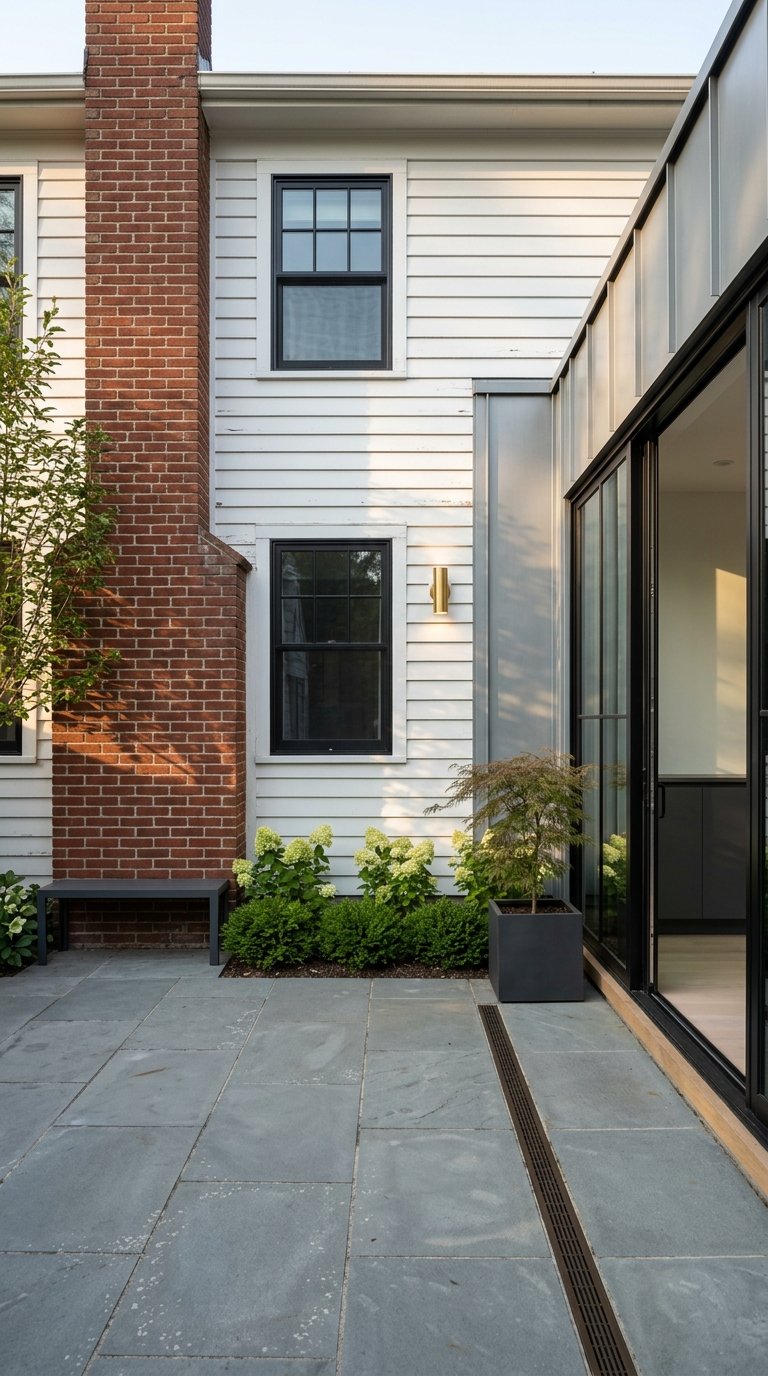
Should you buy a classic Newton Colonial with original details or hold out for a new build with a turnkey layout and modern systems? You are not alone if you are weighing character against convenience. This guide walks you through the real tradeoffs in Newton so you can align your choice with your budget, timeline, and lifestyle. You will learn how layout, building systems, energy incentives, permitting, and typical costs compare — plus a practical checklist for tours. Let’s dive in.
Newton market snapshot
Newton is a high‑value, competitive market near Boston, with brisk buyer demand. As of February 2026, the median sale price was about $1.49 million, and the market was described as very competitive by Redfin’s local snapshot. City fiscal documents show an even higher calendar‑year median of about $1.75 million for single‑family sales in 2024, reflecting strong price growth over time.
Just as important, much of Newton’s housing is older. City market analysis reports that roughly half of the local housing stock was built in 1939 or earlier, and more than 70 percent before 1960, which shapes what you will see on tours and what to plan for after closing. You can review the city’s housing‑age distribution in the Newton residential market study.
Older homes vs new builds at a glance
- Older homes offer period architecture, mature lots, and established village locations. They may require layout updates and targeted system upgrades.
- New builds deliver open plans, modern mechanicals, and lower near‑term maintenance. They typically command higher prices and, if building new, higher per‑square‑foot costs.
- A middle path is a well‑planned renovation that keeps the shell and improves layout, systems, and insulation to near‑new performance.
Layout and daily living
What you will see in older homes
Older Newton homes, including Victorian, Colonial Revival, Tudor, and Craftsman‑era styles, often feature compartmentalized rooms, higher ceilings, built‑ins, and detailed trim. These spaces can feel warm and unique. The tradeoff is flow. If you want a larger kitchen or sightlines from kitchen to family room, you may need to remove or alter load‑bearing walls, which adds structural design and framing costs.
Practical tip: Mature lots and landscaping are common with older homes. If outdoor space and village setting are high on your list, an older footprint could be a strong fit while you plan a phased interior refresh.
What you will see in newer homes
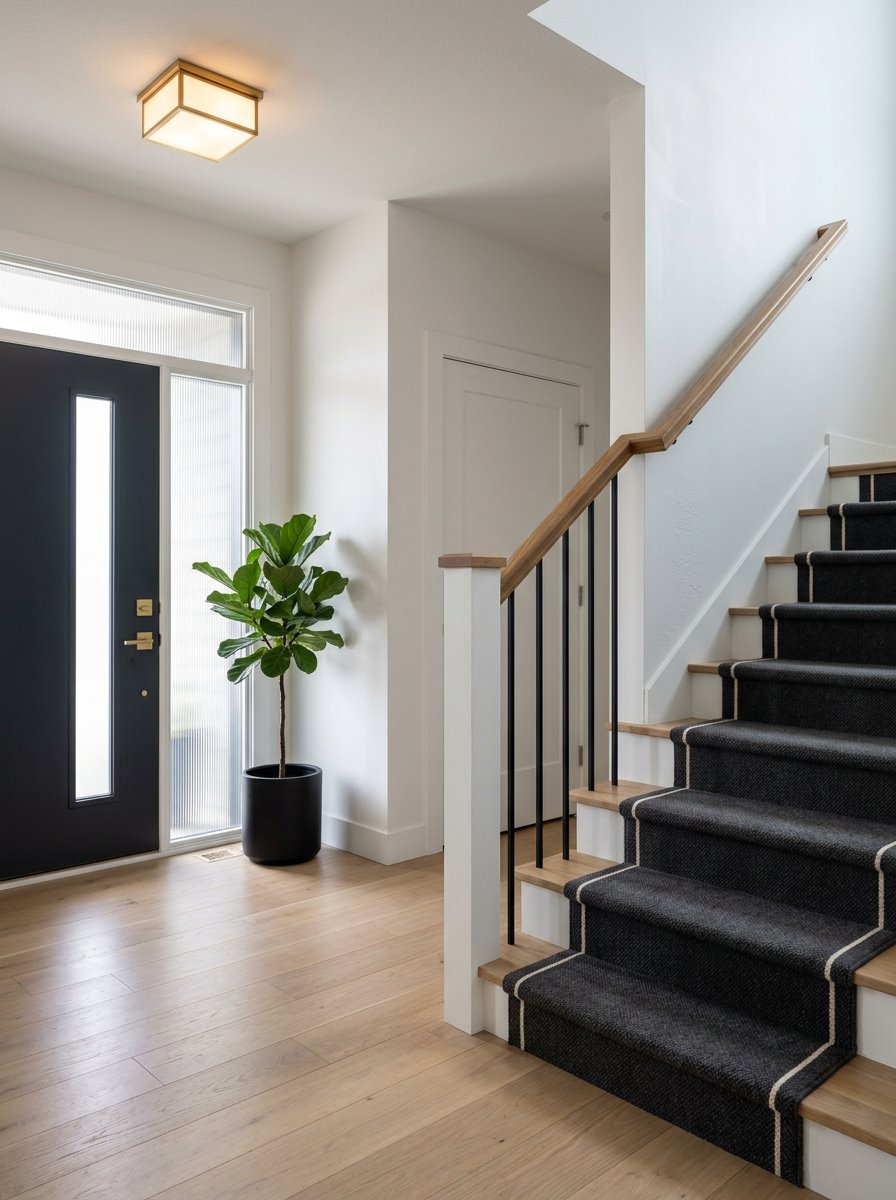
Newer construction tends to prioritize open kitchens, larger primary suites, generous closets, and modern circulation. You get convenience on day one and predictable near‑term maintenance. If you like flexible living spaces for work, play, and guests, a new build can check many boxes without a renovation timeline.
Systems and inspection priorities
Electrical
Pre‑mid‑20th‑century homes may still have knob‑and‑tube or ungrounded wiring, undersized service panels, and mixed wiring types from partial updates. Full rewires and service upgrades are common projects in Newton’s older stock. Typical whole‑house knob‑and‑tube replacement can range from the low to mid five figures depending on size and access. Published guidance places many projects roughly in the $12,000 to $36,000 range. See cost context in Angi’s overview of knob‑and‑tube replacement. Panel upgrades alone often cost less but vary by amperage and meter work.
What to do: Ask for service amperage and any known older wiring on disclosures. During inspection, have an electrician confirm scope and provide a ballpark upgrade path.
Heating and fuel
Older Newton homes may have oil or gas boilers and, less often, electric resistance heat. If you want to convert to heat pumps, factor in weatherization first because many rebates require insulation and air sealing before whole‑home incentives apply. Equipment choice can also require electrical service upgrades.
Plumbing and drainage
Cast‑iron stacks, galvanized supply lines, and older sewer laterals are typical in older homes. A sewer camera inspection is a smart add during your contingency. In the basement, look for signs of long‑term moisture and review any past waterproofing or foundation work on disclosures.
Energy and incentives in 2026
Mass Save remains the primary residential program for weatherization and heat pumps in Massachusetts. Programs include no‑cost home energy assessments, robust rebates for insulation and air sealing, and tiered rebates for partial or whole‑home heat pumps. Start with the program’s air‑source heat pump rebate page to understand eligibility and current incentives. These rebates can materially improve the economics of upgrading an older home.
On federal tax credits, rules changed under Public Law 119‑21. The IRS has issued FAQs clarifying how termination and transition dates affect eligibility for residential energy credits like Sections 25C and 25D. If you plan to rely on federal credits for solar, heat pumps, or insulation, review the IRS guidance and confirm whether the placed‑in‑service date fits the applicable window.
Permits, code, and historic review
Massachusetts enforces the State Building Code, including chapters for existing buildings that define what must be brought up to current standards when you renovate. Energy provisions often apply to additions and many alteration types, which affects budgets and timelines. You can review the existing‑buildings framework in the Massachusetts State Building Code reference.
Newton also has active historic‑preservation processes. The Historical Commission administers a Demolition Delay Ordinance, and several Local Historic Districts require review for exterior changes visible from a public way. If you want to expand, alter façades, or pursue a teardown, build time for review into your plan. Learn more on the Newton Historical Commission page.
Cost bands for common updates
Every house and scope is different, but these ballparks help you frame decisions:
- Roof replacement. Many asphalt shingle replacements in Greater Boston fall from the mid four figures into the low five figures for standard homes, with higher costs for complex roofs or premium materials. See context in HomeGuide’s roofing shingle cost summary.
- Electrical work. Whole‑house rewires commonly run in the low to mid five figures. Panel upgrades alone can range from under a thousand dollars to several thousand depending on amperage and service conditions. See Angi’s knob‑and‑tube guide for typical ranges.
- Kitchens and bathrooms. Midrange kitchen updates often land from the tens of thousands into the low six figures depending on size and finishes. Bathrooms often start in the low five figures and rise with tile, plumbing moves, and custom work.
For an apples‑to‑apples comparison with new construction, remember that custom new builds in Massachusetts metro areas often range roughly from $200 to $600 per square foot depending on finishes, site work, and complexity. Review regional context in this residential construction cost overview. Site work, trees, retaining walls, and foundation conditions can add significant cost.
New build and teardown realities
If you are considering buying land or a teardown, understand the timeline and risk. In Newton, demolition reviews frequently apply to homes older than a set threshold, and the Demolition Delay Ordinance is actively used. That can extend schedules and influence holding costs. For a lot that seems ideal today, confirm whether demolition delay is likely and whether the property sits in a Local Historic District.
If you prefer to buy a recent build, you will likely pay a premium for the move‑in convenience. The upside is a predictable timeline, modern mechanicals, EV‑ready wiring, and minimal near‑term maintenance.
Quick tour checklist
Use this list during showings to spot scope and budget items early:
Disclosures to request
- Roof age and any past leaks or patches.
- Boiler or furnace age and fuel type, plus service records.
- Electrical service amperage and any known knob‑and‑tube or aluminum wiring.
- History of buried oil tanks and any tank removals.
- Basement waterproofing, sump pumps, or foundation repairs.
- Permits for additions or major system upgrades.
On‑site red flags
- Active leaks, fresh ceiling or wall patches near stains, or musty odors.
- Overloaded outlets or visible extension cords used as permanent wiring.
- Mixed old and new wiring at the panel or in the attic.
- Long‑term basement moisture, peeling paint in baths, or inoperative sump pumps.
Inspections to schedule during contingency
- Full home inspection focused on structure, roof, and mechanicals.
- Electrician walkthrough to confirm service capacity and wiring type.
- Sewer camera inspection, especially for older lines or evidence of past backups.
- Oil tank scan if there is any chance of a buried tank.
- Chimney or foundation specialist if you see staining, cracking, or settlement.
Budget triage questions
- Is it a minor repair or a full replacement item?
- Can work be phased after closing without disrupting daily life?
- Will upgrades trigger code or electrical‑service requirements?
How to choose with confidence
Choose an older Newton home when you value village location, character, and a mature yard and you are comfortable planning updates over time. If you have a renovation budget and can live with a phased approach, you can preserve original charm while modernizing systems and layout.
Choose new construction or a recent build when an open plan, new mechanicals, and shorter timelines matter more than maximizing lot or period details. You may pay a premium, but your near‑term operating and maintenance costs are more predictable.
Consider a middle path if you find a well‑located older home with good bones. An envelope‑level remodel that expands the kitchen, refreshes baths, upgrades electrical, and adds insulation plus heat pumps can deliver near‑new performance while preserving neighborhood scale. Mass Save incentives often tip the math in favor of this route.
Smart next steps
- Get two to three quick contractor estimates for your top houses before you submit an offer. Even rough numbers help you compare homes on a total‑cost basis.
- Call Newton planning staff early to understand any historic‑district or demolition‑delay implications for your address.
- Start a Mass Save assessment request as soon as you are under contract if you plan energy upgrades. This shortens your post‑closing timeline.
If you want a partner who can help you price scope in real time, navigate permits, and align financing with the right property strategy, connect with Yi Chen, Realtor of Keller Williams Realty. Schedule a walkthrough consult and get a clear plan for your next move.
Local resources
- Newton Historical Commission and Local Historic Districts. Learn about demolition review and exterior change reviews on the city’s historic preservation page.
- City of Newton fiscal and assessor sales data. See median sale prices and tax context in the FY2026 city document.
- Newton residential market study. Review the age distribution of local housing in the city’s market analysis.
- Massachusetts State Building Code. Read existing‑building renovation rules in the state code reference.
- Mass Save programs. Explore current heat pump rebates and weatherization support on the air‑source heat pump page.
- Electrical and roofing cost context. See Angi’s knob‑and‑tube guide and HomeGuide’s roofing cost page for typical ranges.
- New construction cost context. Review per‑square‑foot ranges in this residential construction cost overview.
- Federal energy credits. Confirm current eligibility windows in the IRS residential energy FAQs.
FAQs
What should a Newton buyer ask before bidding on an older home?
- Ask for roof and boiler ages, electrical service amperage, any known knob‑and‑tube, past basement waterproofing, oil‑tank history, and permits for additions or major upgrades.
How do energy incentives affect renovating an older Newton house in 2026?
- Mass Save rebates for insulation and heat pumps can significantly reduce upgrade costs, and some incentives require weatherization first. Confirm federal tax‑credit eligibility windows before you rely on them.
Is a teardown in Newton straightforward for a new build?
- Not always. Demolition review and possible delay can extend timelines, and Local Historic District rules may limit exterior changes. Build these reviews into your schedule and carrying costs.
What are early signs that an older home needs major electrical work?
- Mixed old and new wiring, small fuse boxes, ungrounded outlets, and frequent breaker trips are common clues. An electrician can confirm wiring type and scope during inspection.
How do new builds compare on total cost of ownership?
- Newer homes provide modern systems, better insulation, and lower near‑term maintenance, which can mean fewer surprise costs. Purchase prices and per‑square‑foot build costs are typically higher.
When does a remodel beat buying new in Newton?
- If you find the right lot and shell, an envelope‑level remodel that modernizes layout and systems can achieve near‑new performance while preserving character and village location, often with help from Mass Save incentives.